
Drayage is the shorter truck movement that connects a port or rail terminal with another facility, such as a warehouse. A workable plan coordinates container availability, release information, pickup access, delivery and the next equipment handoff.
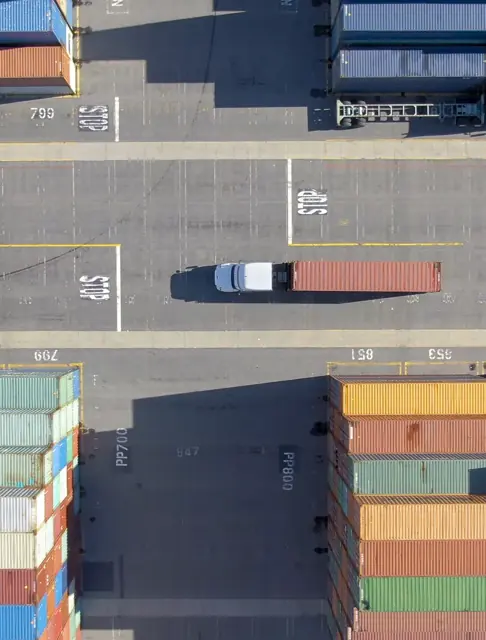
Where drayage fits in the journey
An ocean or rail movement does not, by itself, complete the trip to the receiving warehouse. Drayage connects those stages. Even a relatively short road leg depends on coordination between the terminal, transportation provider, cargo owner and receiver.
Separate an expected vessel or train arrival from confirmed container availability. Ask the party managing the terminal information to confirm when the container can be collected and which release details the drayage provider needs.
Build one container movement record
- Container number, size and type, checked against the shipment documents.
- Pickup terminal and the party responsible for confirming availability.
- Required release references and the contact responsible for resolving holds.
- Pickup appointment status and any equipment requirements.
- Delivery address, receiving contact and unloading arrangement.
- Empty-return instructions and who will confirm completion.
Assign an owner to each handoff
Use a simple table with three columns: information needed, person responsible and confirmation received. Avoid leaving a requirement marked 'someone is handling it.' A named contact makes it easier to resolve an incomplete instruction before dispatch.
For example, let the import coordinator confirm release information, the transportation contact confirm the pickup plan, and the warehouse confirm receiving availability. These are suggested responsibilities; agree on the actual ownership with the parties involved in your move.
Review the warehouse plan and the return plan together
Ask whether the driver is expected to wait during unloading or whether another arrangement is being requested. Confirm the receiving appointment and how changes will be communicated. Do not assume a delivery plan is complete simply because the warehouse has an address.
Request the applicable equipment-return location and instructions from the responsible provider. Also ask which timing conditions and potential waiting, storage or equipment-related costs apply. Use the shipment's confirmed terms rather than borrowing a deadline or charge from a previous container move.
A final check before dispatch
Review the record as a sequence: can the container be picked up, can the receiver accept it, and is the next equipment handoff understood? Mark missing information clearly and resolve it with the responsible contact instead of treating an expected update as a confirmation.
After delivery and return, retain the completion references with the original booking. For your next request, send Ace Lane the container details, terminal information and receiving plan together. A clear handoff record gives the team a better starting point for coordinating the road portion of the move.
Sources and further reading
Let's plan your next shipment.
Share your route, timing and freight details with the Ace Lane team.
Request a freight quote